

Research on the Tensile Properties of Carbon Fiber Tow
Abstract: This article introduces the use of the Kunpeng BOYI 2025 electronic universal testing machine, combined with pneumatic double-push tensile fixtures and Reliant high-precision axial extensometers, to conduct tensile tests on carbon fiber tows according to the "GB T3362-2017 Test Method for Tensile Properties of Carbon Fiber Tows." The test results show that the Kunpeng BOYI 2025 electronic universal testing machine can fully meet the requirements for testing the tensile strength and elastic modulus of carbon fiber tows.
Keywords: Kunpeng BOYI 2025 Electronic Universal Testing Machine Carbon Fiber Tow Tensile Test
Carbon fiber reinforced polymer composites (CFRP) are lightweight and strong materials. Compared to traditional FRP composites and metal materials, carbon fiber composites are not only lighter but also stronger and stiffer per unit weight. Due to the excellent comprehensive performance of carbon fiber composites, they have practical and potential applications in eighteen fields including missiles, space platforms and launch vehicles, aircraft, advanced ships, rail transit vehicles, electric vehicles, trucks, wind turbine blades, fuel cells, power cables, pressure vessels, uranium enrichment ultracentrifuges, special tubes, public infrastructure, medical and industrial equipment, sports and leisure products, as well as fashion lifestyle products.
Tow refers to a type of chemical fiber filament yarn. It is a twisted or untwisted bundle of fine filaments spun from a porous spinneret plate. Carbon fiber tows have low elongation at break and are brittle materials. The tensile strength and tensile modulus of carbon fiber tows can be determined by stretching the impregnated and cured carbon fiber tow samples to failure. The force and strain values during the tensile process are measured by the force sensor and extensometer on the testing machine, and the corresponding tensile performance data are calculated by the testing software. In this application example, an electronic universal testing machine combined with pneumatic tensile fixtures and a high-precision axial extensometer is used to measure the tensile strength and tensile modulus of carbon fiber tows, ensuring stable testing and accurate data, providing reliable support for the research and application of carbon fiber composites.
Additionally, because carbon fiber materials can splinter and produce carbon-containing dust upon failure, which may harm personnel or cause short-circuit risks in equipment, the testing equipment is equipped with a protective cover specifically designed for mechanical testing of carbon fiber materials. This effectively prevents the above issues and includes a dedicated cleaning port for easy sample cleanup after testing, truly achieving safety and efficiency and greatly enhancing user experience.
This report follows the "GB T3362-2017 Test Method for Tensile Properties of Carbon Fiber Tows" for testing, with 5 samples, and the shape and dimensions are as follows: 
1. Test Section
1.1 Instruments and Fixtures
BOYI 2025-001 Electronic Universal Testing Machine
Pneumatic Double-Push Tensile Fixture
Reliant High-Precision Axial Extensometer
Smartest Software
1.2 Test Conditions
Test Temperature: Room temperature around 20°C
Load Sensor: 1kN (Class 0.5)
Loading Test Rate: 10 mm/min
Fixture Spacing: 150 mm

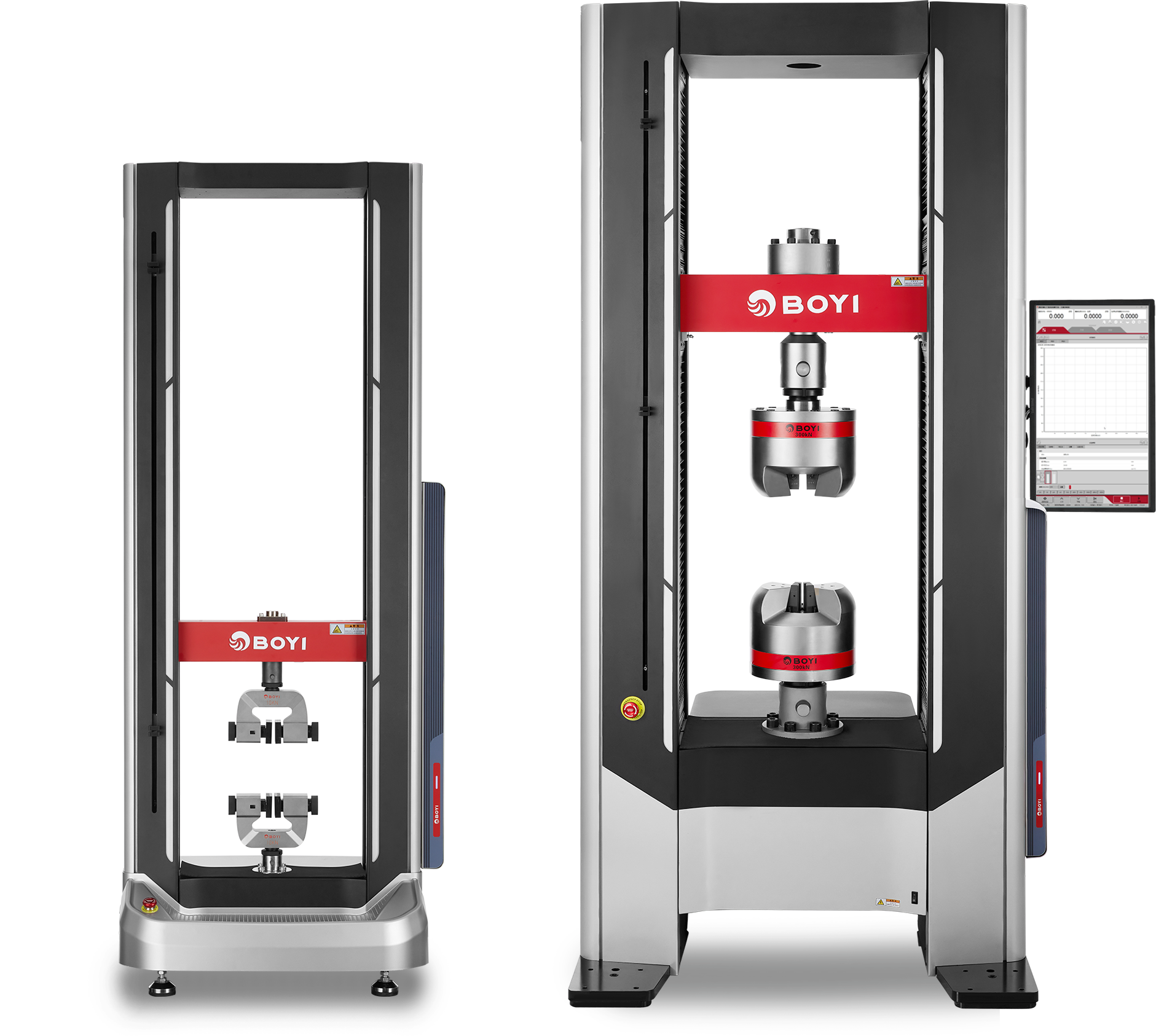
Figure 2 BOYI 2025-001 Electronic Universal Testing Machine
1.3 Samples and Treatment
In this test, one group of 5 standard carbon fiber tow samples was selected, with a cross-sectional area of 0.1253 mm². 2。

Figure 3 Actual Sample Photo
2. Test Introduction
The test was conducted using the BOYI 2025-001 electronic universal testing machine, setting the fixture spacing to 150 mm. The samples were clamped in the upper and lower fixtures, applying approximately 12~15 N (about 5% of the failure load). A high-precision axial extensometer with a fixed gauge length of 50 mm was clamped at the middle of the sample. The gauge length positioning rod was removed, and the extensometer was zeroed at an initial force of 20 N. The test was performed at a loading rate of 10 mm/min. During the tensile process, the force value, extensometer deformation value, and crosshead displacement were measured. After exceeding 0.3% strain, the software automatically paused loading and waited. The extensometer was then removed, and the test continued until sample fracture. Based on the obtained data, tensile strength, elongation at break, and tensile modulus were automatically calculated, and tensile curves were generated.

Figure 4 Test System Diagram (Main Machine, Fixture, Extensometer)
3. Results and Conclusions
3.1 Test Results:
The specific test results are shown in Table 1 below.
Table 1. Test Results

3.2 Test Curves:

From the above data and test curves, it can be seen that the tensile samples were well clamped throughout the test, with no slippage or abnormal fracture phenomena. The stress-strain curves and results show that the modulus values are very close, and the curve overlap reproducibility is good, meeting the requirements of GB/T 3362. The test results demonstrate the high precision and high stability of the Kunpeng BOYI 2025-001 electronic universal testing machine.
4. Conclusion
In summary, the Kunpeng BOYI 2025-001 electronic universal testing machine, pneumatic double-push tensile fixtures, and high-precision axial extensometer fully meet the standard requirements of "GB T3362-2017 Test Method for Tensile Properties of Carbon Fiber Tows," efficiently and effectively completing the tests. Through a high-precision, high-sampling-rate testing system, various mechanical data of carbon fiber tows can be obtained reliably and stably. This is very important for the technological development of carbon fiber composites and can provide data support and technical assurance for enterprises' product development, quality management, and the standardization and normalization of the industry.
National Service Hotline
Company Headquarters: Room 102, Building 4, Autelang Technology Park, No. 68 Nanxiang 1st Road, Huangpu District, Guangzhou, Guangdong Province
Manufacturing Center: No. 299 Maofeng Road, Xukou Town, Wuzhong District, Suzhou City, Rizhongtian Industrial Park


SAF Coolest v1.2 设置面板 REGSX-ZFTZ-IVSSE-ZQD
无数据提示
Sorry, there is no content in this section currently!
You can view other sections or return Home
SVG图标库请自行添加图标,用div包起来,并命名使用
Welcome to the Testing Machine Configuration Assistance System!
Thank you for using this system.
Just answer a few questions about the test to create a test system suitable for you.
If you have multiple answers to a question, please choose the most important one.
If you have any matters to confirm, please click this button to contact us.
CONTACT US